“Se vedi qualcosa, dì qualcosa” è lo slogan della NSA che Michael Mann suggerisce invece agli scienziati le cui ricerche rivelano nuovi rischi. Sul New York Times, il biometeorologo e astronauta Piers Sellers che dirige l’Earth Sciences Division della NASA, scrive:
I’m a climate scientist who has just been told I have stage 4 pancreatic cancer.
This diagnosis puts me in an interesting position. I’ve spent much of my professional life thinking about the science of climate change, which is best viewed through a multidecadal lens. At some level I was sure that, even at my present age of 60, I would live to see the most critical part of the problem, and its possible solutions, play out in my lifetime.
Le soluzioni esistono (include l’energia nucleare). Ora il “sollevamento pesi” tocca a politici, ingegneri e industriali, dovranno effettuare una transizione all’energia pulita senza danneggiare ulteriormente i più poveri dei futuri 9,5 miliardi di umani. Sellers ha visto parecchio:
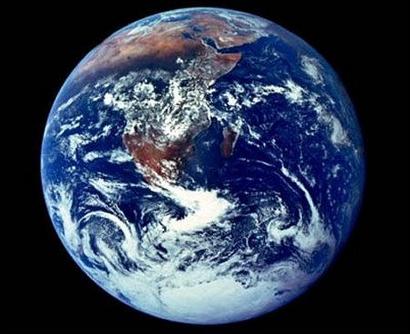
Floating alongside the International Space Station, I watched hurricanes cartwheel across oceans, the Amazon snake its way to the sea through a brilliant green carpet of forest, and gigantic nighttime thunderstorms flash and flare for hundreds of miles along the Equator. From this God’s-eye-view, I saw how fragile and infinitely precious the Earth is. I’m hopeful for its future.
And so, I’m going to work tomorrow.
Speranza per il futuro del pianeta, ma 3,3 milioni di morti per inquinamento nel 2015, più le vittime delle stragi quotidiane…
(immagine ESA)